Emergency Lighting Regulations: Meeting BS 5266 in Commercial Fitouts
A contractor's guide to 3-hour emergency conversion packs, escape route lux levels, and testing compliance across UK premises.
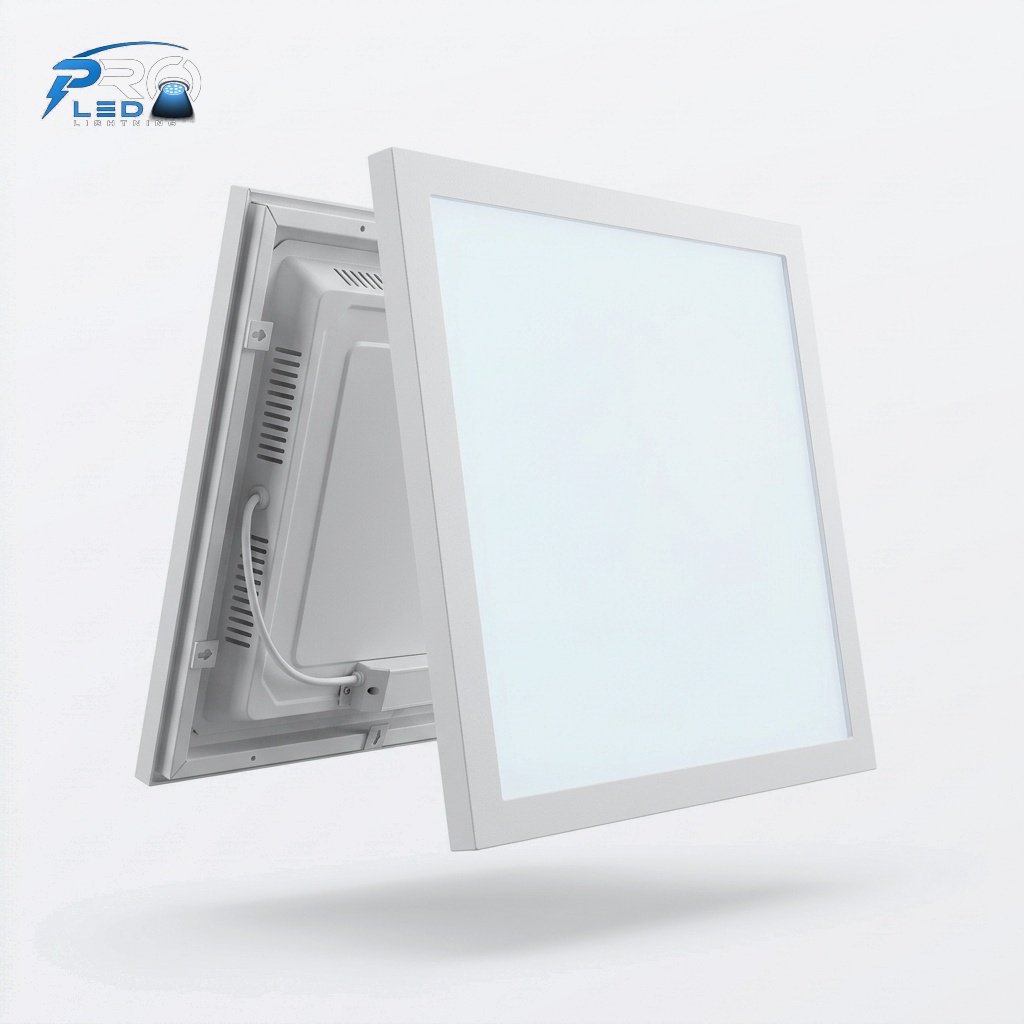
Emergency lighting is a mandatory legal requirement under the UK Regulatory Reform (Fire Safety) Order 2005. For electrical contractors and facility managers, understanding British Standard BS 5266-1 is essential to avoid non-compliance and project handover delays.
The 3-Hour Duration Rule
Under BS 5266, commercial premises in the UK (offices, warehouses, healthcare facilities, and educational buildings) require emergency luminaires to provide a minimum of 3 hours of continuous illumination upon mains failure.
Plug-and-Play Inverter Modules
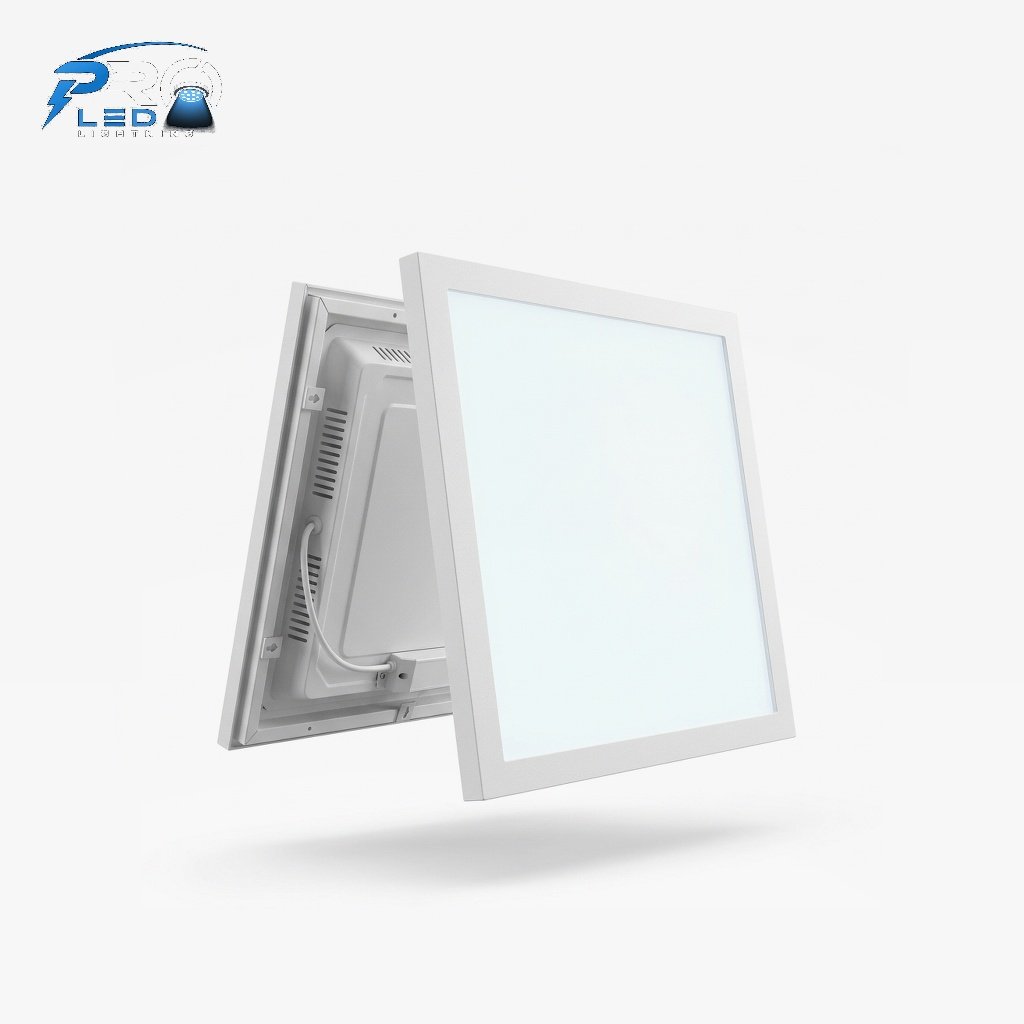
Traditionally, contractors had to install dedicated emergency bulkhead fittings alongside primary luminaires. Today, modular commercial LED panel systems allow seamless in-line conversion:
Routine Testing Requirements
BS 5266 mandates a monthly functional test (simulating mains failure for a few seconds using a test key) and an annual full 3-hour discharge test to verify battery capacity.

Marcus Vance
Senior Electrical Technical Consultant
Senior lighting engineer at Pro LED Lighting UK. Marcus has tested and certified over 300 commercial suspended ceiling installations and emergency lighting backup systems across the UK.
Related Commercial Fittings
British Standard tested fixtures referenced in this guide.